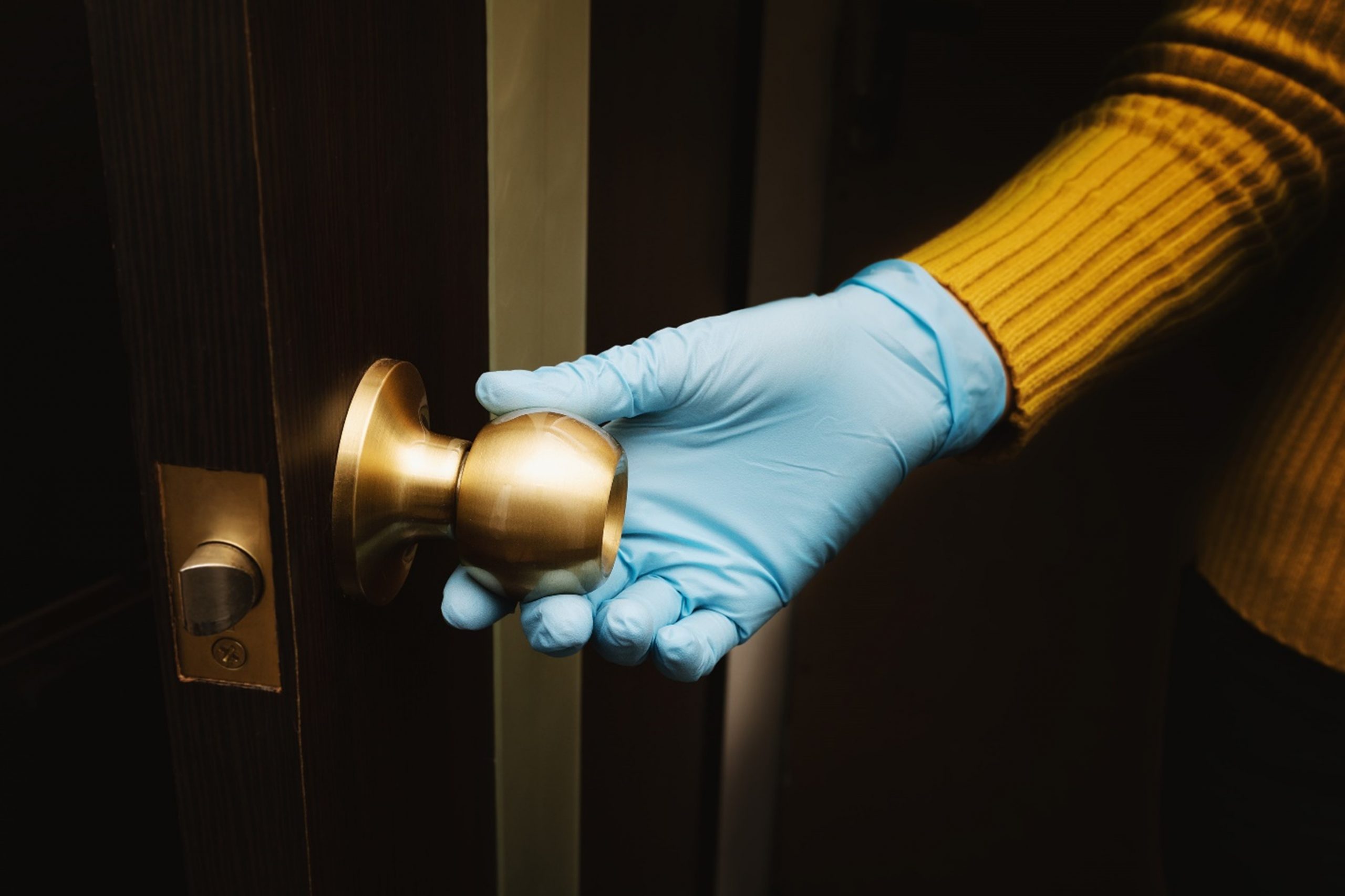
Picture this scene. You are walking up your driveway on a freezing Tuesday evening in January. You live off Palmer Avenue in Scarsdale or maybe up near North Broadway in White Plains. Your hands are packed with grocery bags from the local market. Your kids are shivering next to you. You reach into your coat pocket to pull out your house keys. You dig around. You check the other pocket. Nothing. They are gone, buried somewhere deep in your car trunk or dropped back at the office.
That sink-in-your-stomach feeling is something we hear about every week at Action Lock & Door Company Inc. We have been servicing door locks and entryways across Westchester County for nearly thirty years now. And lately, more and more homeowners are coming to us with a big question. Should I ditch my trusty mechanical key lock and put a modern smart lock on my front door? Or am I better off sticking with a solid, heavy-duty traditional deadbolt?
It is a great question. In 2027, home security technology has jumped forward in huge leaps. You can unlock your front door with your smartphone, a passcode, a fingerprint scanner, or even a quick glance at a camera. But high-tech gear comes with its own quirks. Electronic batteries die. Wi-Fi networks hiccup. Extreme New York winter cold can make digital keypads act funny if you buy cheap hardware.
We wrote this guide to give you honest, fact-based advice without any tech hype or sales spin. We will look closely at how mechanical locks compare to digital locks in real Hudson Valley weather, explore costs, highlight local installation challenges, and help you pick the perfect security setup for your Westchester home.
Understanding the Basics: Traditional Deadbolts vs. Modern Smart Locks
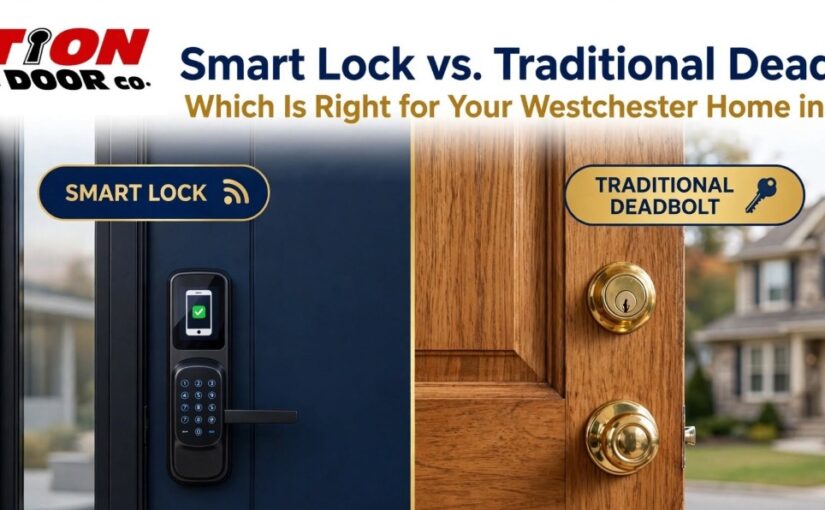
Before we compare features, let us define what makes these two security choices tick. Both locks share a common goal: throwing a solid steel bolt deep into your door jamb to keep unwanted visitors out. How they throw that bolt is where everything changes.
The Traditional Mechanical Deadbolt
A mechanical deadbolt relies on pure physical mechanics. You insert a metal key into a brass cylinder. The key cuts align pins inside the lock core to a shear line, allowing the cylinder to turn and extend a solid steel bolt into a heavy strike plate anchored to your wall framing.
- Key Strengths: Zero batteries required, no software updates, total immunity to digital hacking, and extreme physical durability.
- Main Drawback: If you lose your key, lock yourself out, or need to let a plumber inside while you are at work, you are stuck call a locksmith or handing out physical spare keys.
The Electronic Smart Lock
A smart lock replaces or retrofits your standard mechanical cylinder with a small electric motor powered by AA or lithium batteries. It lets you extend or retract the bolt using digital commands. Depending on the model, you can unlock your door with a keypad code, a smartphone app via Bluetooth or Wi-Fi, a biometric fingerprint scanner, or a proximity key fob.
- Key Strengths: Keyless convenience, remote locking from anywhere, temporary guest passcodes, entry access logs, and auto-locking options.
- Main Drawback: Requires regular battery replacement, carries a higher upfront cost, and can fail if cheap plastic gears are exposed to severe freeze-thaw cycles.
Real-World Westchester Factors: Weather, Historic Homes, and Neighborhood Security
A lock that works nicely in a mild sunny state like California can struggle when installed on a front porch in Yonkers or Mount Vernon. Living in Westchester County brings real-world environmental and structural conditions that impact door hardware performance.
1. Severe Winter Temps and Moisture Swells
Our winter weather routinely dips below freezing. Moisture from rain or heavy snow gets into outer door seams. In summer, humidity off the Long Island Sound or Hudson River makes solid wood doors swell up inside their frames. When a wood door swells, the deadbolt latch misaligns slightly with the strike plate pocket.
With a traditional lock, you just pull the door handle tight toward you with one hand while turning the key with the other. A smart lock motor, however, tries to push the bolt automatically. If the door frame is binding from humidity or frost, a cheap smart lock motor will stall out, beep in frustration, and leave your door unlocked. That is why professional installation and high-torque commercial grade motors matter so much locally.
2. Historic Westchester Architecture
If your home was built in the 1920s or 1950s in towns like Pelham, Scarsdale, or Bronxville, your front entry might have custom mortise locks, thick solid oak doors, or narrow architectural frames. Fitting a off-the-shelf digital smart lock onto an antique door pocket often requires skilled carpentry adjustments or specialized adapter plates so you do not ruin your home historic charm.
Head-to-Head Comparison: Traditional Deadbolt vs. Smart Lock
| Feature / Capability | Traditional Grade 1 Deadbolt | Commercial-Grade Smart Lock | Clear Winner |
|---|---|---|---|
| Physical Kick-In Resistance | Extreme (Solid Steel Bolt) | High to Extreme (Model Dependent) | Tie (If Grade 1 Rated) |
| Daily Convenience | Moderate (Requires Metal Key) | Maximum (Keyless Code/App) | Smart Lock |
| Sub-Zero Weather Reliability | 100% (No Batteries/Electronics) | 95% (Requires Sealed Trim) | Traditional Deadbolt |
| Access Control & Guest Passes | Low (Physical Keys Only) | Maximum (Instant Digital Passcodes) | Smart Lock |
| Maintenance Requirements | Very Low (Occasional Lubricant) | Moderate (Annual Battery Swaps) | Traditional Deadbolt |
The Security Debate: Physical Strength vs. Cyber Protections
When people debate locks, they often ask: Can a smart lock get hacked? Or is a traditional lock safer against real-world burglars? The truth is that both lock styles defend against very different security threats.
Physical Burglary Resistance
Most residential break-ins in suburban New York are not sophisticated tech heists like you see in movies. Intruders do not sit on your front lawn with laptop computers trying to crack 128-bit Wi-Fi encryption. They look for weak frames, loose strike plates, unlocked side doors, or cheap lock cylinders they can force open with a pry bar or heavy boot.
A top-tier mechanical deadbolt from brands like Medeco, Mul-T-Lock, or Baldwin features hardened steel drill pins, pick-resistant keyways, and solid brass housings. High-quality smart locks build their electronic drive mechanisms on top of those exact same Grade 1 mechanical deadbolt chassis. As long as you choose a smart lock with an ANSI/BHMA Grade 1 physical rating, your door physical strength against kick-ins remains top notch.
Cyber Security and Digital Safeguards
For digital locks, cyber safety comes down to software encryption and smart home habits. Reputable brands use AES-128 or 256-bit encryption, the same security level banks use for online finance. To stay safe:
- Enable Two-Factor Authentication: Protect your smartphone app account with biometrics or SMS codes so nobody can log in remotely.
- Avoid Default Passcodes: Change factory admin passcodes immediately during installation.
- Choose Hybrid Models: Pick a smart lock that keeps a physical key override cylinder hidden under a sleek faceplate just in case batteries drain completely.
Cost Analysis: Initial Purchase, Upkeep, and Long-Term Value
Let us look at actual budget figures. How much do these options cost to buy, install, and maintain over a ten-year span in Westchester County?
1. Traditional Deadbolt Costs
- Standard Hardware: $45 to $120 for consumer Grade 2 deadbolts.
- High-Security Hardware (Medeco/Mul-T-Lock): $220 to $450 for pick and drill proof Grade 1 cylinders.
- Professional Installation & Door Prep: $150 to $250.
- Ten-Year Upkeep: Near zero. Occasional spare key copies ($5 to $10 each) or rekeying if keys are lost ($75 to $150).
2. Smart Lock Costs
- Quality Consumer Smart Lock: $180 to $350 (Keypad, Bluetooth, or Wi-Fi built-in).
- Commercial-Grade / Hybrid Smart Lock: $380 to $750 (Biometric, keypad, and physical key cylinder).
- Professional Installation & Alignment: $180 to $320 (Includes frame strike alignment and app pairing).
- Ten-Year Upkeep: $100 to $200 in replacement AA or lithium batteries plus occasional Wi-Fi bridge updates.
Estimated 10-Year Total Cost of Ownership
| Lock Category | Hardware Cost | Installation Labor | 10-Year Maintenance | Total Estimated Cost |
|---|---|---|---|---|
| Standard Mechanical Deadbolt | $65 | $175 | $30 (Extra Keys) | $270 |
| High-Security Mechanical (Medeco) | $280 | $200 | $80 (Rekeying) | $560 |
| Premium Smart Lock (Keypad/Wi-Fi) | $320 | $250 | $160 (Batteries) | $730 |
Which Lock Option Fits Your Lifestyle Best?
There is no single winner for every home. The right choice depends on how your household runs every day. Here is a handy checklist to help you decide.
Choose a Smart Lock If:
- Busy Family Life: You have active kids coming home from school in Scarsdale or White Plains who constantly drop or lose physical house keys.
- Service & Guest Access: You regularly host Airbnb guests, hire dog walkers, or have home cleaning services coming while you are at work.
- Remote Peace of Mind: You often get halfway to your office on the Metro-North train and wonder, Did I remember to lock the front door this morning?
- Smart Home Integration: You love controlling your lights, security cameras, and thermostat through Google Home, Apple HomeKit, or Amazon Alexa.
Choose a Traditional Deadbolt If:
- Maximum Simplicity: You want a bulletproof lock system that never needs battery changes, phone app pairing, or firmware updates.
- Extreme Weather Exposure: Your front door has no porch overhang and faces direct coastal rain, ice, and harsh winter winds off the Hudson River.
- Historic Home Preservation: You own a classic historic property in Bronxville or Rye with original solid brass mortise hardware that you want to keep intact.
- Strict Budget Focus: You want maximum physical protection for the lowest possible upfront investment.
The Hybrid Solution: The Best of Both Worlds
Can’t decide between high-tech convenience and old-school reliability? You do not have to pick just one. At Action Lock & Door, many of our clients opt for a hybrid entry approach that delivers complete peace of mind.
For example, we often install a high-grade smart lock on the garage side door or everyday family entryway, giving your family easy keypad access after work or sports practice. Meanwhile, we fit a heavy-duty, pick-proof Medeco or Baldwin mechanical deadbolt on the main front door. That setup gives you keyless daily freedom while keeping your front entryway anchored by ultimate mechanical strength.
Why Professional Lock Installation Matters in Westchester
Buying a great lock off the store shelf is only half the battle. If a deadbolt bolt binds inside a misaligned strike plate, or if frame screws are too short to reach your home structural wall studs, even a five-hundred-dollar lock will fail when kicked.
For nearly thirty years, Action Lock & Door Company Inc. has been installing, repairing, and upgrading lock hardware across Westchester, Scarsdale, Yonkers, and White Plains. We hold Westchester Home Improvement License #WC-14873-HO4, Yonkers License #4426, and Master Locksmith License #248. We do not just slap hardware onto your door. We inspect your door alignment, mortise deep security strike plates using three-inch hardened steel screws, calibrate electronic motors, and make sure your keyless setup functions smoothly in every season.
Upgrade Your Home Security with Local Westchester Experts
Whether you want the keyless convenience of a modern smart lock, the rock-solid reliability of a traditional high-security deadbolt, or expert advice on what fits your doorway best, Action Lock & Door Company Inc. is here to help.
Give our friendly team a call today at 914-237-5824 or email us directly at info@actionlockanddoor.com to schedule an on-site security consultation. Let us make sure your home stays safe, secure, and easy to access every day of the year!
Frequently Asked Questions
Q: What happens to a smart lock when the internal batteries die completely?
A: Most smart locks give weeks of low-battery warnings; if they die, you can use a physical backup key or touch a 9V battery to external terminals for emergency power.
Q: Do smart locks work during a home power outage or Wi-Fi blackout?
A: Yes, Bluetooth and keypad pin code functions operate on internal batteries even if your home Wi-Fi or electricity goes down.
Q: Can a locksmith rekey a smart lock to match my existing house keys?
A: Yes, hybrid smart locks with physical key cylinders can easily be rekeyed by a master locksmith to match your current keys.
Q: Are smart locks safe to install on exterior doors exposed to cold rain and snow?
A: Quality outdoor-rated smart locks feature weather-sealed gaskets and IP-rated faceplates designed specifically for severe winter climate exposure.
Q: How often do batteries need replacement in a residential smart lock?
A: Under normal family use, quality AA batteries typically last between nine and twelve months before needing a simple swap.
Q: Is a smart lock easier for a burglar to kick open than a standard deadbolt?
A: No, kick-in resistance depends entirely on bolt steel quality and frame strike installation, not whether the bolt is turned electronically or manually.
Q: Can Action Lock & Door install smart locks bought from third-party retailers?
A: Yes, our licensed locksmiths professionally install, prep, and align customer-supplied smart locks as well as hardware supplied from our inventory.