
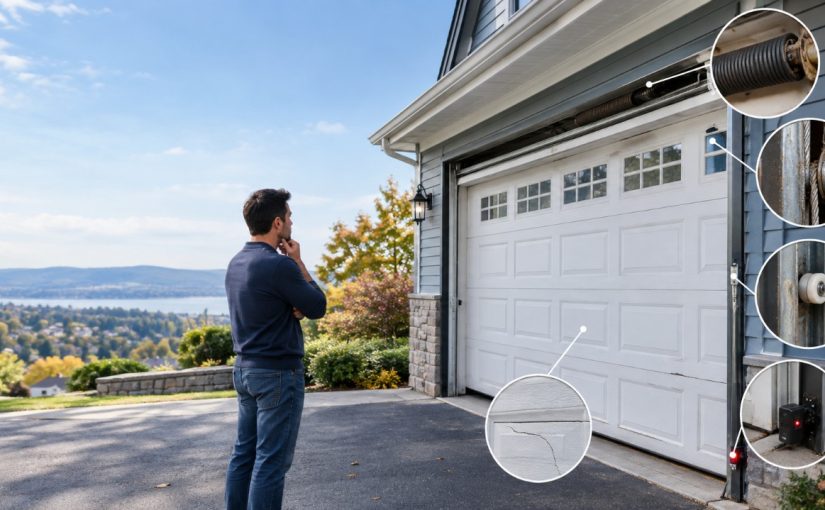
Every morning across Scarsdale, Yonkers, and White Plains, thousands of overhead doors quietly roll open to start the day. We rely on these heavy moving systems to protect our vehicles, secure our entryways, and shield our living spaces from harsh northern weather. Yet, because they operate so reliably day in and day out, garage doors are easy to take for granted until something suddenly stops working.
A stuck or malfunctioning garage door is never just a minor inconvenience. Overhead systems are under constant mechanical tension, weighing anywhere from 150 to over 300 pounds. When key hardware components fail, they present real safety hazards to families while exposing your house to seasonal elements. Extreme temperature shifts in New York accelerate wear and tear on springs, cables, tracks, and openers.
Our team at Action Lock & Door has spent nearly three decades helping local property owners keep their structures safe, functional, and energy efficient. Recognizing early warning signs saves money, prevents unexpected lockouts, and protects your household. Whenever mechanical trouble arises, choosing certified Garage Door Repair in Westchester ensures every component operates smoothly and safely year-round.
1. Broken or Misaligned Springs
Garage door springs do the heavy lifting every time your door opens or closes. Whether your door uses torsion springs mounted above the door frame or extension springs running along the upper side tracks, these steel components endure intense pressure. Over time, metal fatigue sets in, causing springs to lose tension, stretch out, or snap entirely.
Why Westchester Climate Affects Springs
New York winters bring freezing temperatures that make steel brittle. Cold snaps cause metal springs to contract, making them much more susceptible to breaking during operation. Combined with daily usage cycles, a spring that has performed well for five years can suddenly fail on a cold January morning.
Warning Signs of Spring Failure
- A sudden, loud pop sound coming from inside the garage.
- The door opens only a few inches before stopping abruptly.
- The overhead door feels unusually heavy when you try to lift it manually.
- Visible gaps in the coil winding above the closed door.
- The door appears crooked or uneven as it moves along the track.
Safety Risks and Immediate Actions
Operating a door with a broken spring puts massive strain on the electric opener motor and can cause cables to snap. Attempting to remove or adjust high-tension springs without specialized equipment is hazardous, as releasing built-up tension can cause sudden mechanical failure. Professional replacement ensures proper spring sizing and safe balancing for long-term reliability.
Maintenance Steps for Spring Longevity
- Apply a light coating of silicone spray lubricant to metal coils twice a year.
- Avoid using heavy grease, which attracts dust and grit into the spring coils.
- Request a balance test during annual professional service visits.
2. Frayed, Loose, or Snapped Cables
Garage door cables work directly alongside springs to lift and lower the heavy door panels evenly. These high-strength steel aircraft cables wrap around drums or pulleys, balancing the full weight of the door assembly. When cables become frayed, rusty, or loose, the entire balance of the door is compromised.
Why Cables Fail
Coastal air, rain, and humidity across Westchester County often cause surface rust on steel wire strands. Over years of friction against drums and pulleys, single wires begin to fray. If one strand breaks, the remaining strands carry additional load until the entire cable snaps under pressure.
Common Symptoms of Cable Issues
- Cables hanging loose or detached near bottom corner brackets.
- The garage door lifts unevenly, tilting sharply to one side.
- Jerky, shaking movement when the door ascends or descends.
- Squeaking or scraping noises near the upper side drums.
Actionable Tips for Homeowners
- Perform a monthly visual check of cables near floor brackets for fraying or rust.
- Keep the area surrounding bottom cables free from storage boxes and debris.
- Call a technician immediately if you notice slack in the cable line.
- Leave cable replacements to trained technicians who utilize proper tension tools.
Preventive Measures
- Keep garage floor edges clean to prevent moisture from pooling near cable attachments.
- Inspect cable drums for alignment issues after severe windstorms or impacts.
3. Misaligned Tracks and Worn-Out Rollers
The metal tracks mounted on either side of your garage door guide rollers smoothly along their path. When tracks become bent, clogged, or misaligned, rollers cannot glide freely. This creates excessive resistance, causing the motor to strain and raising the risk of the door slipping completely off its tracks.
Causes of Track and Roller Wear
Accidental bumps from car bumpers, lawnmowers, or trash cans can bend metal track channels out of alignment. Additionally, nylon or steel rollers wear down over time, developing flat spots or losing ball bearings. Salt, road grit, and dirt carried in by vehicle tires also settle inside lower tracks, creating friction points.
Signs Your Tracks or Rollers Need Attention
- Loud grinding, squealing, or popping noises during door operation.
- The door hesitates or sticks at specific points along its path.
- Gaps appearing between the rollers and the rail guide.
- Visible dents, curves, or loose mounting brackets along wall tracks.
Maintenance Solutions
- Clean track interiors regularly using a damp cloth to remove built-up grease and dirt.
- Avoid applying thick grease directly inside track channels, as this traps dust and debris.
- Upgrade to high-grade sealed ball-bearing nylon rollers for quieter performance and longer lifespan.
- Schedule professional track alignment whenever you notice physical bends or loose wall anchors.
System Checks for Track Stability
- Inspect wall fasteners to verify mounting brackets remain firmly attached to studs.
- Ensure tracks maintain a consistent vertical clearance along both sides of the frame.
4. Unresponsive Auto-Reverse Sensors and Opener Failures
Modern automatic garage doors rely on photo-eye safety sensors mounted near the base of each side track. These sensors project an invisible infrared beam across the opening. If an object, pet, or person breaks this beam while the door closes, the system immediately halts and reverses direction to prevent harm.
Environmental Factors in Westchester
Drafts, dust storms, autumn leaf buildup, and winter snowdrifts frequently obstruct or dirty photo-eye lenses. Direct sunlight at certain times of day can also blind optical sensors, causing the door to reverse unexpectedly even when the pathway is entirely clear.
Symptoms of Sensor and Opener Faults
- The garage door starts to close, stops, and immediately reverses back upward.
- The opener light bulbs flash rapidly when you try to close the door using a wall button or remote.
- The wall switch works, but handheld remotes fail to respond despite new batteries.
- The opener motor hums or grinds, but the door chain, belt, or screw drive does not move.
Troubleshooting and Preventative Checklist
- Wipe sensor lenses gently with a microfiber cloth to remove dust, cobwebs, and moisture.
- Verify that indicator lights on both photo-eyes are glowing solid, indicating proper alignment.
- Clear away snow, ice, leaves, and lawn equipment from the path of the safety beam.
- Request a professional inspection if opener gears grind or electrical components fail to respond.
Key Opener Maintenance Tips
- Test auto-reverse function monthly by placing a wood block on the floor beneath the door path.
- Keep wireless keypad covers closed to protect electronic circuits from rain and ice.
5. Cracked Panels and Deteriorated Weather Seals
Garage door panels endure relentless exposure to sun, rain, wind, and freezing weather. Over time, wood panels can rot or warp, while aluminum or vinyl panels can crack, dent, or fade. Beneath the bottom panel lies the weather seal (astragal), which blocks wind drafts, rainwater, and pests from entering your home.
Impact on Home Energy Efficiency
In suburban New York homes with attached garages or rooms positioned directly above the garage, damaged door panels and worn seals cause substantial heat loss. Cold winter air enters the garage space, forcing your home HVAC system to work harder and raising monthly heating bills.
Key Indicators of Panel and Seal Damage
- Daylight visible around the edges or bottom of the closed garage door.
- Water pooling inside the garage after heavy rainstorms.
- Cracks, gaps, or rotting wood along individual door section panels.
- Drafty air currents felt near interior connecting walls.
- Unwanted pests or insects finding their way into the garage.
Recommended Remedies
- Inspect the rubber bottom seal seasonally for cracking, hardening, or missing sections.
- Replace brittle perimeter weatherstripping to restore thermal efficiency.
- Repair or replace single damaged panels promptly to prevent structural sagging across the whole door.
- Upgrade to insulated steel or composite garage doors to maximize home comfort during winter.
Long-Term Value of Upgrading Seals
- Protects stored belongings from dampness, mold, and mildew growth.
- Helps regulate ambient garage temperature during extreme summer heat and winter cold.
Why Westchester Weather Accelerates Garage Door Wear
The dramatic seasonal changes in Westchester County present unique challenges for mechanical garage door systems. Hot, humid summers encourage rust formation on bare steel springs and tracks. In contrast, freezing winter temperatures contract metal components, stiffen lubricants, and place extra strain on opener motors.
Living near water bodies like the Long Island Sound or the Hudson River exposes outdoor hardware to moist, salty air that accelerates metal corrosion. Road salt used during winter storms also gets tracked into garages by vehicle tires, coating bottom panels and lower door tracks with corrosive chemicals. Regular professional inspection helps identify rust early, keeping your garage door quiet and functional in every season.
Periodic tune-ups perform a critical role in extending equipment lifespan. By keeping hardware aligned and properly lubricated, homeowners avoid sudden breakdowns during extreme weather events.
Why Choose Action Lock & Door for Your Overhead Security Needs
When mechanical trouble threatens your home security, partnering with an experienced local contractor makes all the difference. Our firm brings decades of hands-on expertise to every service call, offering custom repair and installation solutions for residential and commercial properties.
Comprehensive Hardware Services
- Repair and replacement of torsion and extension springs.
- Cable re-stringing and drum balancing.
- Track realignment, section repairs, and roller replacement.
- Automatic opener installation, gear replacement, and sensor alignment.
- High-security lock installation, master keying, and emergency lockout services.
Local Expertise You Can Count On
At Action Lock & Door, we understand the unique architectural styles and weather conditions across Westchester County. Our licensed technicians arrive equipped with top-grade parts and specialized diagnostic tools to handle repairs safely and efficiently on the first visit.
Essential Preventive Maintenance Schedule for Homeowners
To keep your overhead door operating quietly and extend component life, following a routine maintenance schedule is highly effective. Taking small proactive steps throughout the year prevents major mechanical failures and maintains overall household safety.
Spring Maintenance Checklist
- Clean track channels using a dry cloth to remove winter salt and road debris.
- Apply light spray lubricant to rollers, hinges, and spring coils.
- Inspect rubber bottom seals for cracking or winter ice damage.
Autumn Preparation Checklist
- Test auto-reverse sensors to ensure proper safety operation before snow arrives.
- Check perimeter weatherstripping for gaps to keep cold air out.
- Test battery backups on automatic opener systems in case of winter power outages.
Protecting Your Home with Professional Garage Door Solutions
A garage door is one of the largest and most frequently used moving parts in your home. Ignoring minor squeaks, slow operation, or loose hardware often turns simple fixes into costly emergency repairs. By keeping an eye out for spring wear, cable fraying, track misalignment, sensor issues, and seal deterioration, you ensure your property stays safe, secure, and energy efficient.
When you need dependable service, Action Lock & Door offers fast, reliable support tailored to your local needs. From routine tune-ups to complete door replacements, our trained technicians handle every job with precision and care. Invest in quality maintenance today, and secure comprehensive Garage Door Repair in Westchester to keep your home operating smoothly all year long.